


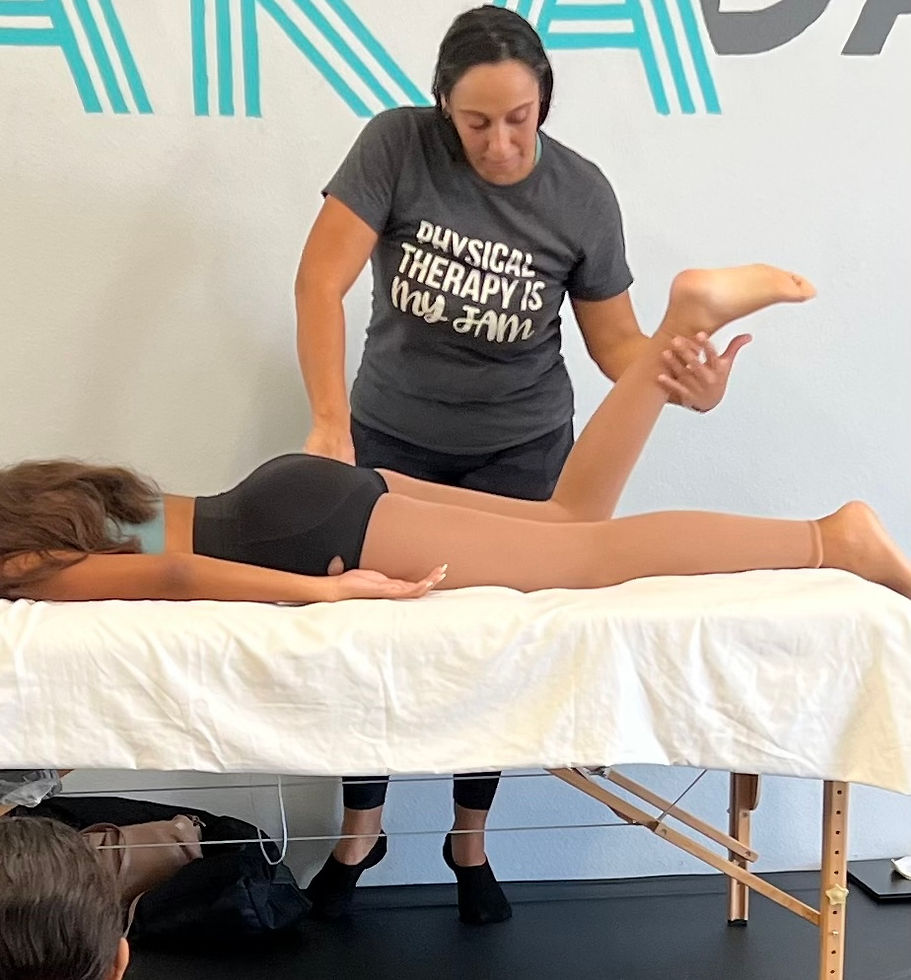
Orthopedic Physical Therapy vs. Personal Trainers: Understanding the Difference
When it comes to improving your physical health, addressing injuries, or achieving fitness goals, two common professionals you might turn to are orthopedic physical therapists and personal trainers. While their roles complement each other in some situations, they serve distinct purposes. As a concierge physical therapist, I often see patients who are unsure of which professional to work with—and understanding the difference can help you make the best choice for your needs.
The Role of Orthopedic Physical Therapy
Orthopedic physical therapy focuses on diagnosing, treating, and preventing musculoskeletal injuries and conditions. It is a healthcare profession grounded in evidence-based medicine, providing customized treatment plans to address pain, improve mobility, and restore function.
Key Aspects of Orthopedic Physical Therapy:
1. Medical Expertise: Orthopedic physical therapists are licensed healthcare providers trained to assess and treat conditions such as arthritis, fractures, sports injuries, post-surgical rehabilitation, and chronic pain.
2. Personalized Treatment Plans: Each session is tailored to your unique injury or condition, often involving manual therapy, therapeutic exercises, and modalities like laser, ultrasound or dry needling.
3. Injury Prevention: Beyond treatment, therapists focus on preventing future injuries by correcting movement patterns and improving strength, flexibility, proprioception and balance.
4. Collaboration with Healthcare Providers: Physical therapists often work closely with physicians, surgeons, and other healthcare professionals to ensure continuity of care.
Orthopedic physical therapy is ideal if you’re recovering from an injury, surgery, or experiencing pain that limits your ability to move or perform daily activities.
The Role of Personal Trainers
Personal trainers are fitness professionals who design and implement exercise programs to help clients achieve their fitness goals. While they do not diagnose or treat medical conditions, they are skilled in guiding clients through effective workouts to improve strength, endurance, flexibility, and overall fitness.
Key Aspects of Personal Training:
1. Fitness-Focused: Trainers specialize in building fitness plans for weight loss, muscle gain, athletic performance, or general health improvements.
2. Motivation and Accountability: They provide encouragement and keep you accountable to your fitness routine.
3. Program Customization: While trainers a re able to adapt programs to your fitness level, they do not have the medical expertise to treat injuries or conditions.
4. Certifications, Not Licenses: Personal trainers obtain certifications rather than healthcare licenses, which focuses their scope of practice to fitness.
Personal trainers are a great option if you’re healthy and looking to improve your fitness or achieve specific athletic goals.
When to See a Physical Therapist vs. a Personal Trainer
The distinction often boils down to your starting point and goals:
• Choose an orthopedic physical therapist if:
• You’re recovering from surgery or an injury.
• You’re experiencing pain or limited mobility.
• You need a medically supervised program to rehabilitate safely.
• Choose a personal trainer if:
• You’re generally healthy and want to improve fitness, strength, or performance.
• You need guidance on how to exercise safely and effectively.
• You’re motivated by structured workout plans and regular check-ins.
Bridging the Gap
In some cases, these roles overlap. After completing physical therapy, you might transition to working with a personal trainer to continue building strength and fitness. Similarly, a personal trainer might refer you to a physical therapist if they notice pain, restricted mobility, or an injury during a session.
As a concierge physical therapist, I work closely with both personal trainers and other professionals in the Doctor PhillipS and Windermere area to ensure my clients receive comprehensive care. If you’re uncertain about who to see, start with a consultation to evaluate your needs. Whether you’re healing from an injury or striving for new fitness milestones, understanding the distinction between these two professionals will help you take the right steps toward better health.
If you have questions or would like to schedule a consultation, reach out—I’m here to help!


Comments